Refine results
Keyword Date search
venue
- Engine Shed (8)
- Holyrood Park (7)
- Online (3)
- Blackness Castle (3)
- Fort George (2)
- Maeshowe Visitor Centre (2)
- Linlithgow Palace (2)
- Edinburgh Castle (2)
- Skara Brae Prehistoric Village (2)
- Jarlshof Prehistoric and Norse Settlement (1)
- Stanley Mills (1)
- Stones of Stenness Circle and Henge (1)
- John Sinclair House (1)
- Brough of Birsay (1)
- Linlithgow Peel (1)
- Trinity House (1)
- Ring of Brodgar Stone Circle and Henge (1)
- Stirling Castle (1)
- Dirleton Castle and Gardens (1)
- Rough Castle (1)
- Earl's Palace, Birsay (1)
- Elgin Museum (1)
- Duff House (1)
- Elgin Cathedral (1)
- Caerlaverock Castle (1)
event type
category
- Nature (15)
- Ranger Service (14)
- Architecture (8)
- Archaeology (6)
- Military and wars (6)
- Materials (6)
- Technical Conservation (6)
- Highlights (5)
- Building Management (5)
- Art and design (4)
- Landscape (4)
- Monarchs and castle life (3)
- Campaign: A Little History (2)
- Sustainability (2)
- Theatre (1)
- Structures & Components (1)
- British Sign Language (1)
- Research (1)
-
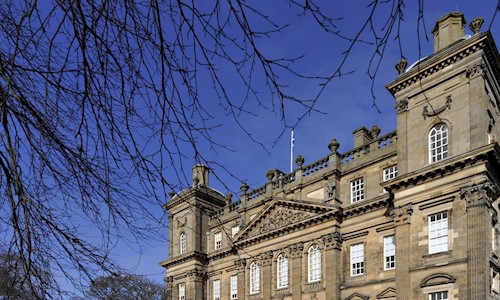
Masterpiece Loan: Lord Byron by William Edward West, 1822
This artwork forms part of the annual Masterpiece series of paintings loaned from the National Galleries’ collections and will be on display in the Marble Lobby at Duff House.
-
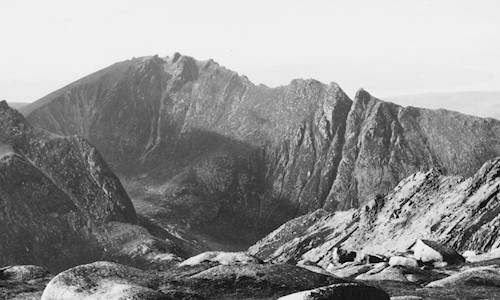
In the Land, of the People
Explore how folklore is woven throughout Scotland, through its landscape, its history and its people.
-
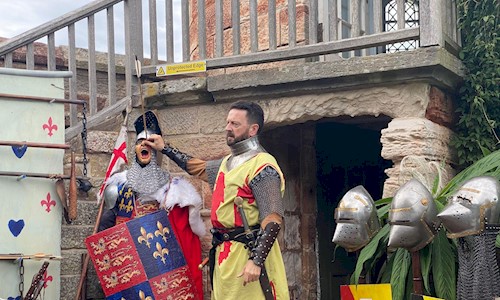
Man at Arms
Hear tales of siege warfare and castle life
-
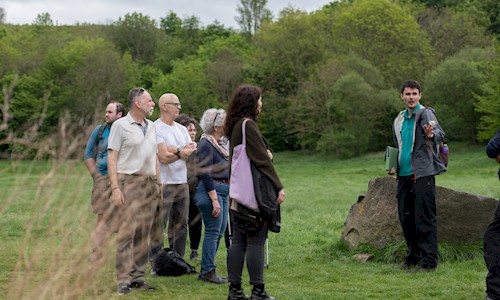
Arthur's Secrets
A Ranger led walk of Holyrood Park
-
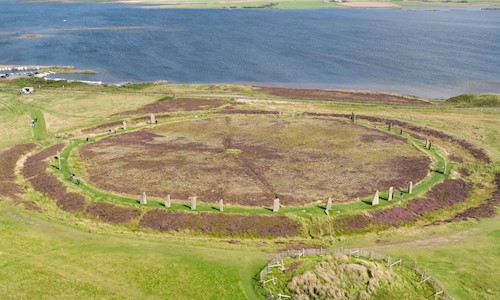
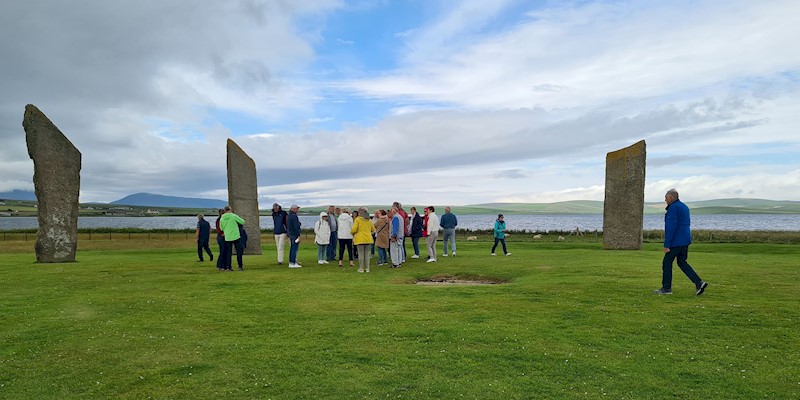
Ring of Brodgar Walk
Join us for a guided walk around Scotland's largest stone circle which forms part of the Heart of Neolithic Orkney World Heritage Site.
-
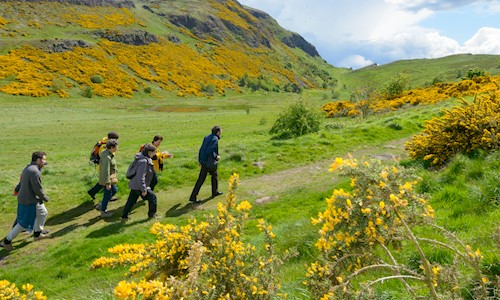
Arthur's Adventure
Come along on a more challenging guided walk to learn about Arthur’s Seat’s turbulent past, created by fire and ice!
-
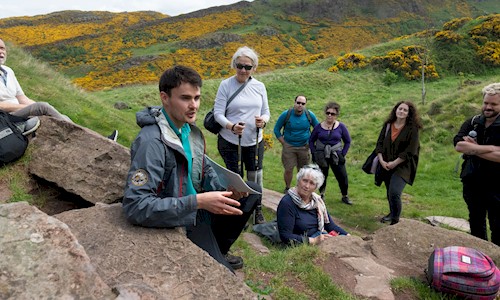
Arthur's Amble
Join a ranger on a free, gentle guided walk to learn about Holyrood Park's geology, wildlife and its rich archaeology and history.
-
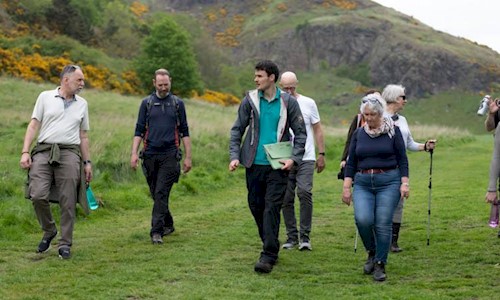
Arthur's Evening Walk
Join a ranger on a free guided walk to learn about Holyrood Park's geology, wildlife, and its rich heritage of archaeology and history.
-
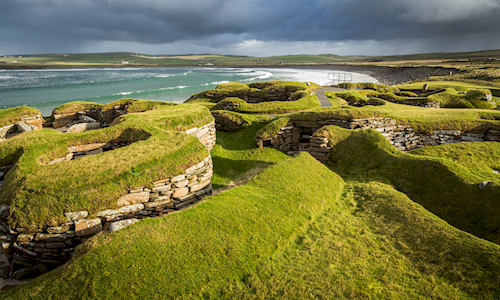
Skara Brae Evening Tours
Join us ‘after hours’ for an exclusive opportunity to tour Skara Brae when the site is closed to the general public.